CASE STUDY · RFP WORK AT HCLTECH
RFPs
Two pitches.One week each.
UX concepts, wireframes and a solution story for two client bids: live claims analytics for an insurer, and workforce forecasting for Zeta.
2
RFP concepts, from brief to pitch
1 wk
for each, concept to clickable story
3
new client wins from RFPs I designed for at HCLTech
HOW AN RFP WEEK RUNS
Small scope, fast story
An RFP needs a believable product, not a finished one. Each week went from the client’s brief to a few key screens and the story that sells them.
UNDERSTAND
Read the brief, list the questions, and map how the client works today.
CONCEPT
Information architecture, flows and wireframes, then the key screens in high fidelity.
PITCH
A solution narrative and clickable story for the bid team to present.
THE TWO PITCHES
Same week, two industries
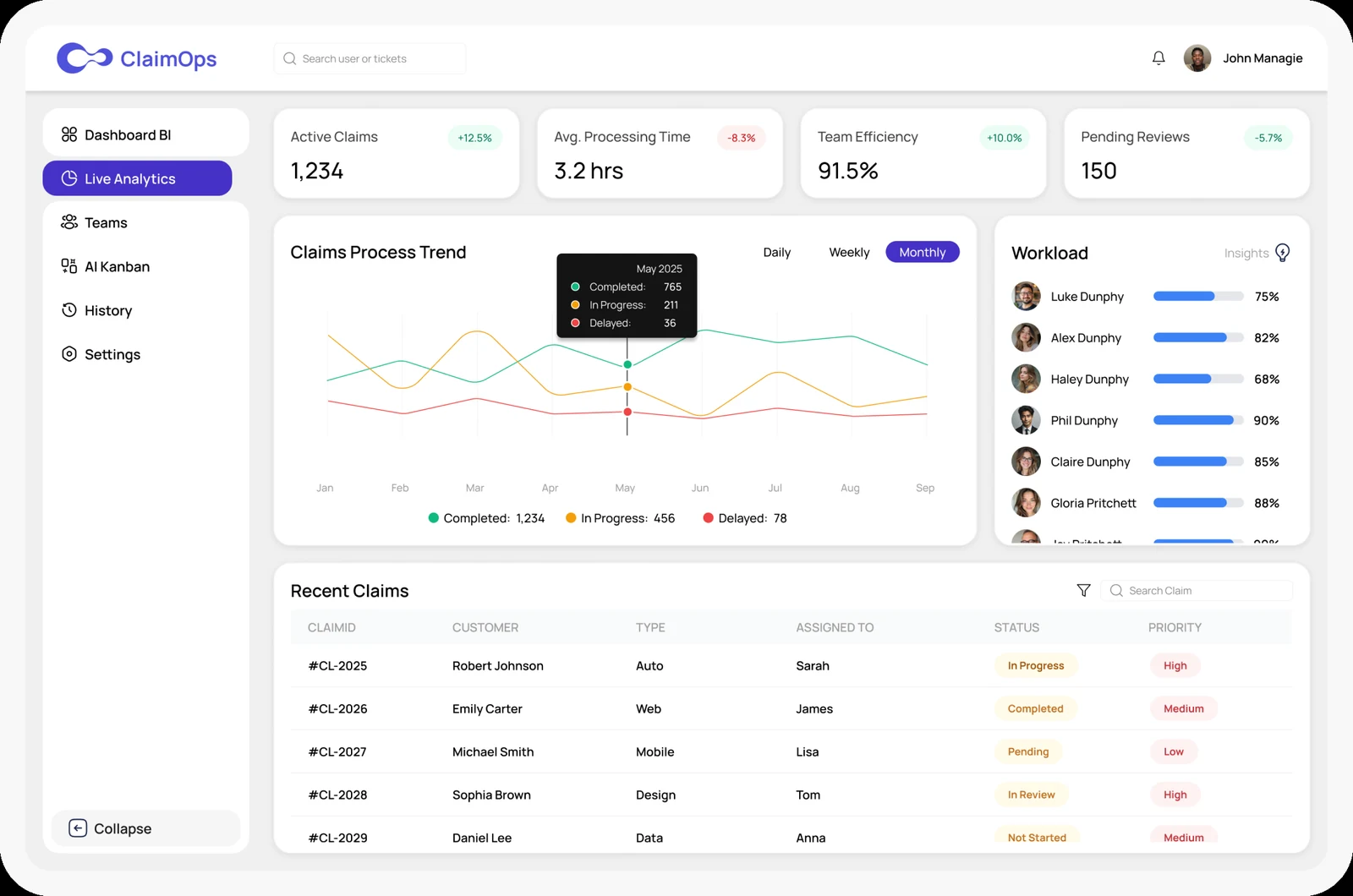
ClaimOps
Problem
Uneven work allocation caused bottlenecks and slow claim settlement. Managers couldn’t see workload or capacity in real time.
What I designed
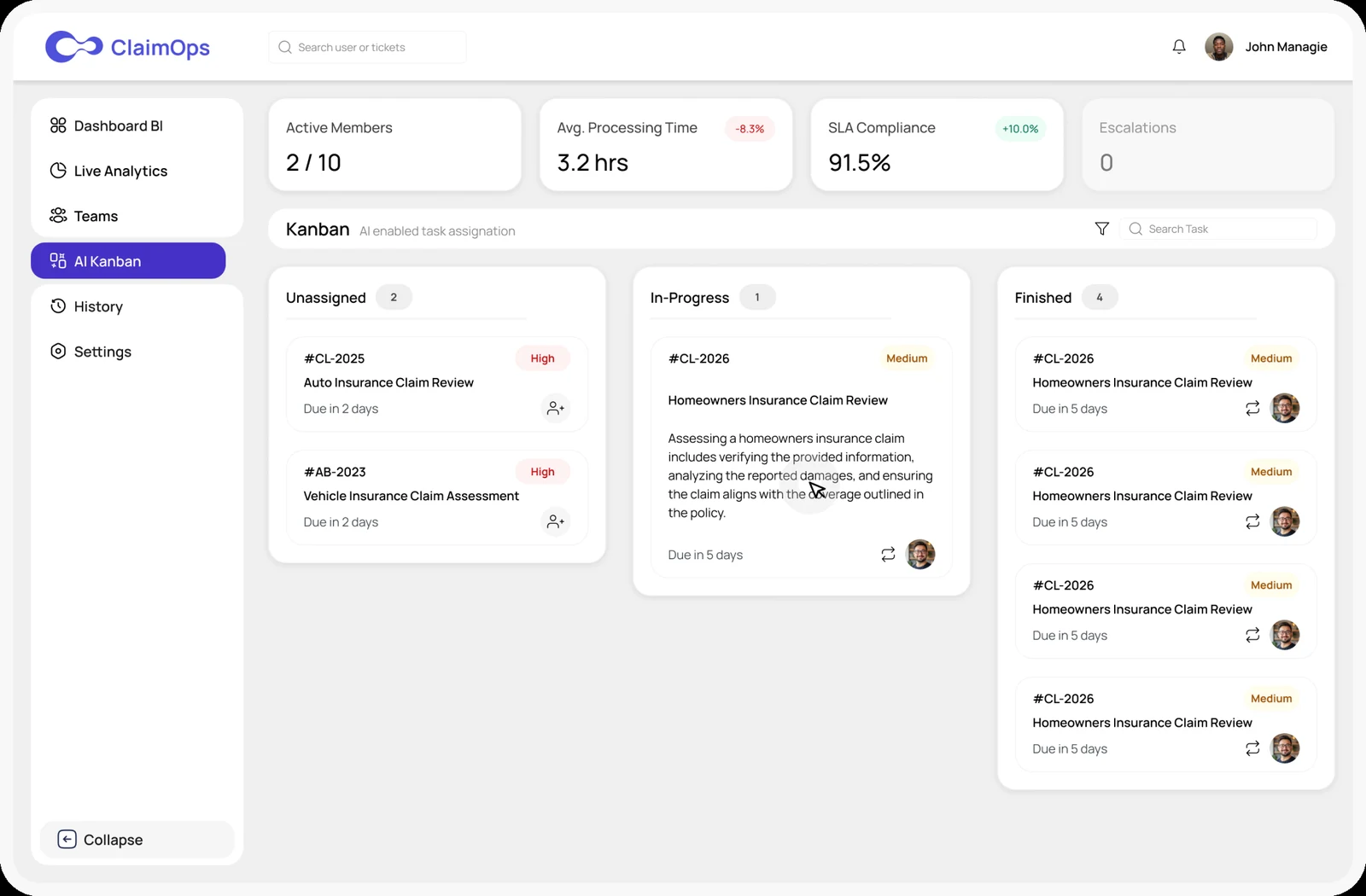
AI-assisted task allocation, a live analytics dashboard, team workload views and a Kanban for claims in progress.
Aim
Faster processing and balanced workloads for an MNC insurer.
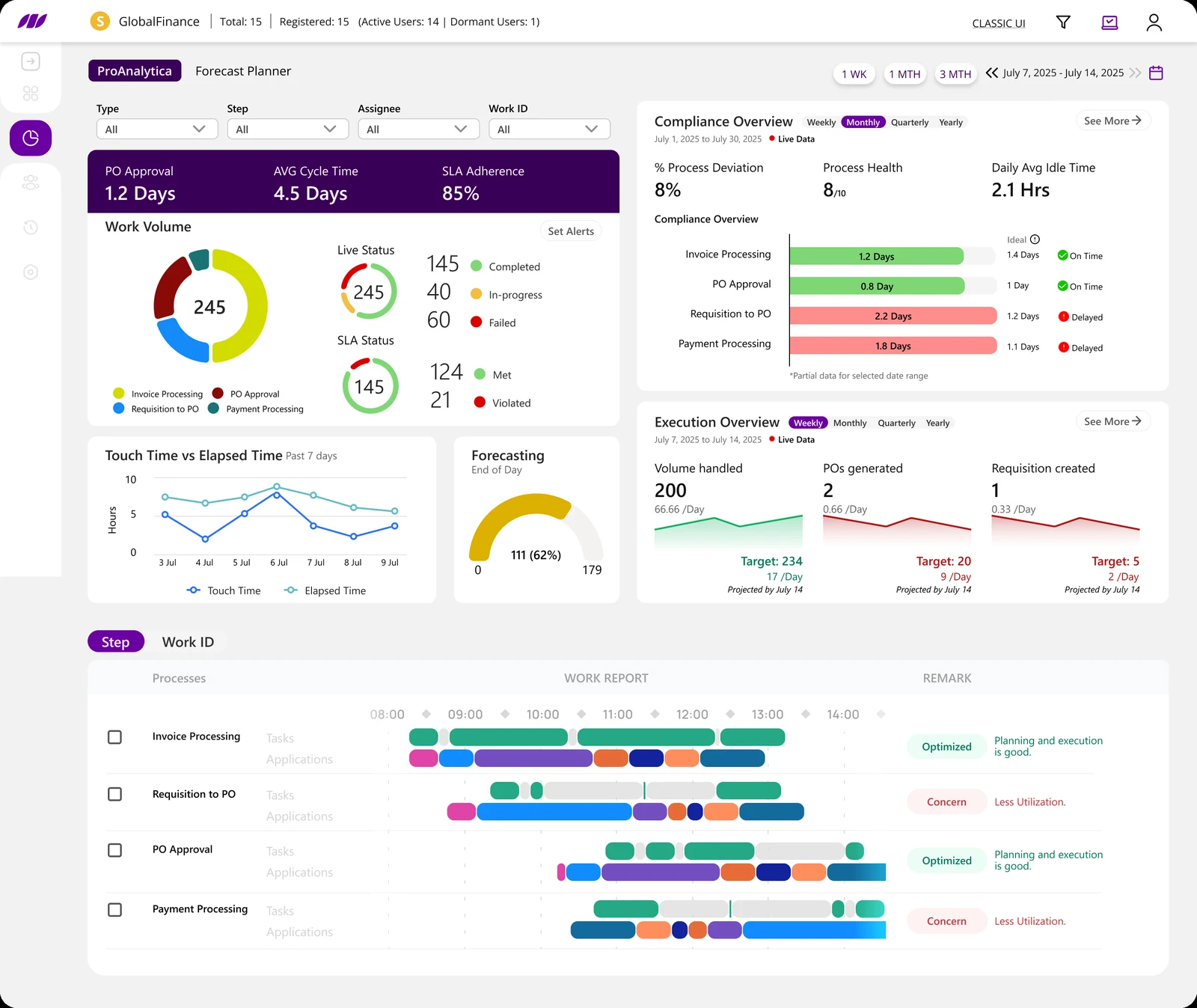
PulseOps
Problem
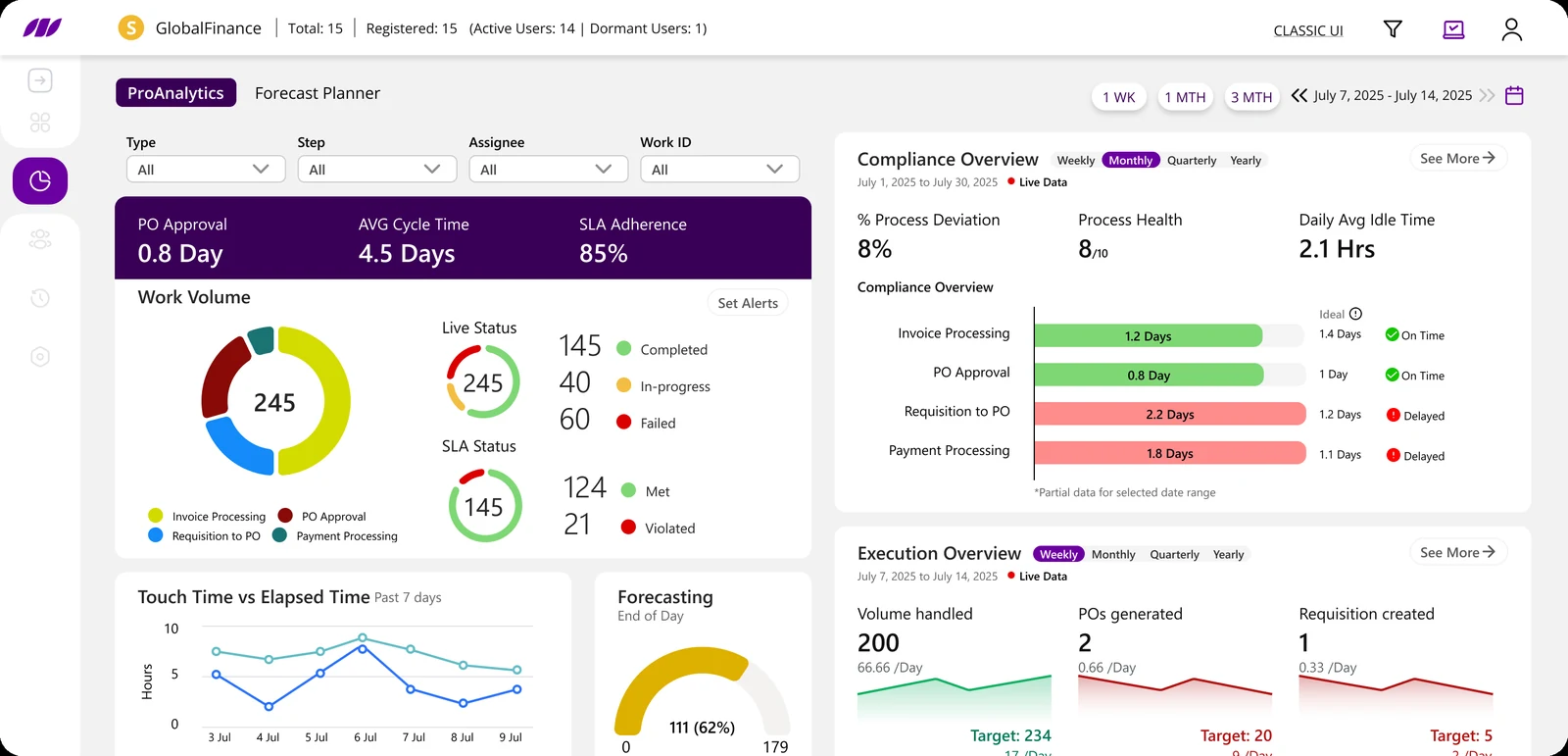
Zeta ran support for 750–1,200 agents on a macro-based Excel tool: manual forecasts and reactive staffing.
What I designed
Predicted vs actual volume, live staffing alerts, filters by channel, region and language, and “what-if” scenarios.
Aim
More than 10% better forecast accuracy than the current tool (target).
KEY SCREENS
What the client saw
CARRYING FORWARD
In an RFP, one clear story beats ten polished screens.